
Things
To Do
IN
ETHIOPIA
MUSLIM FRIENDLY DESTINATION
HARAR
Where History, Culture, and Spirituality Unite in Ancient Splendor.
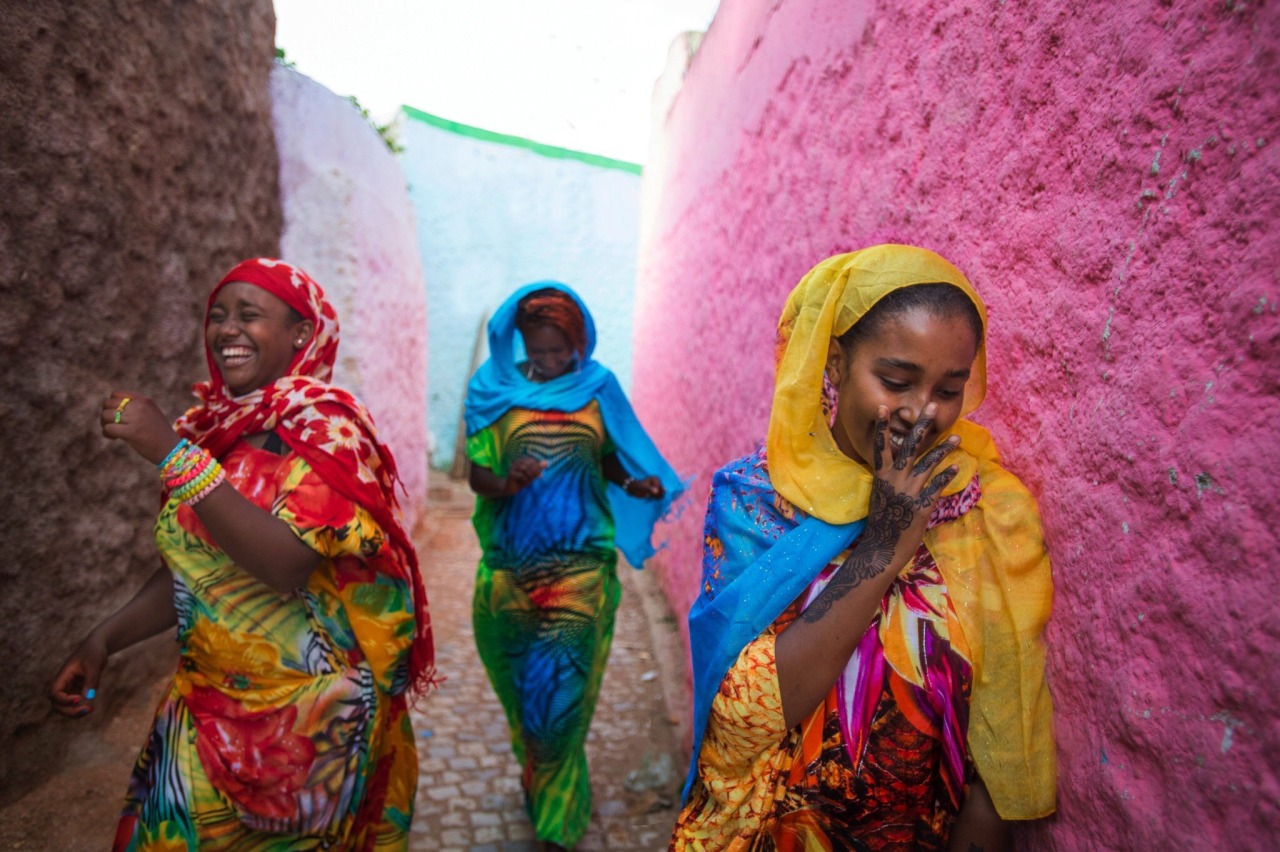
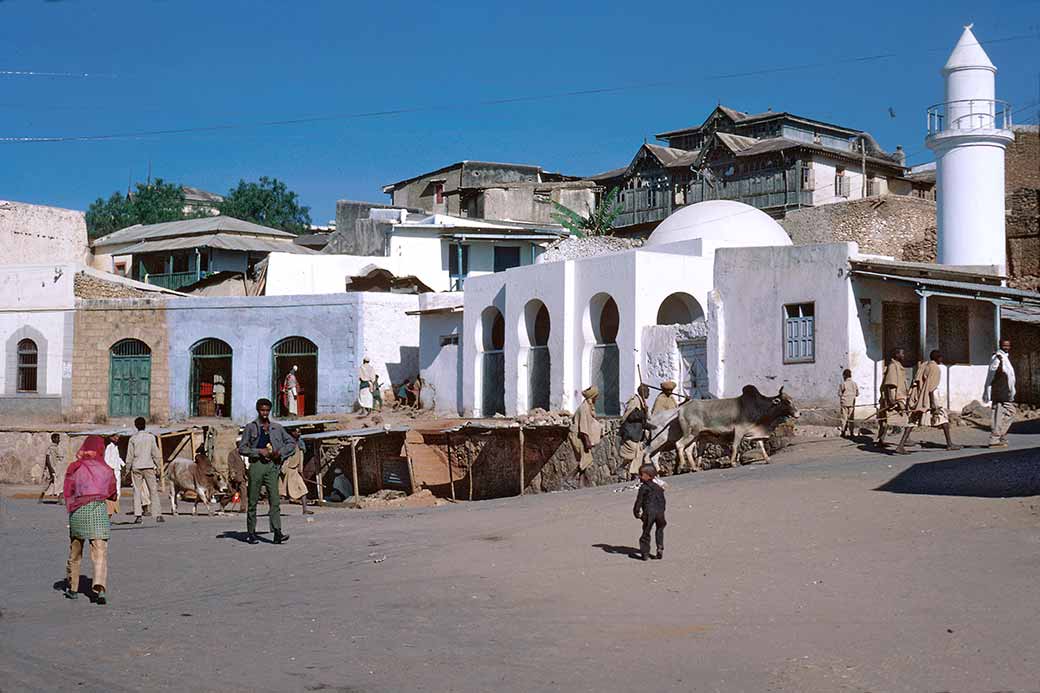
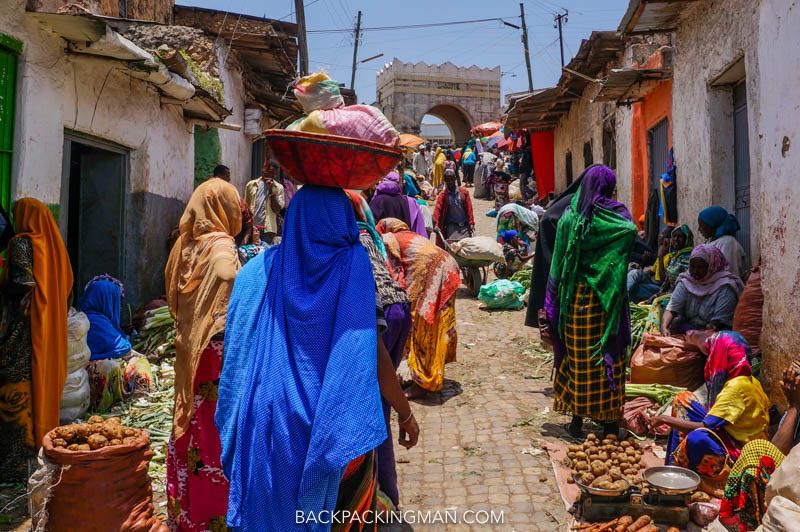
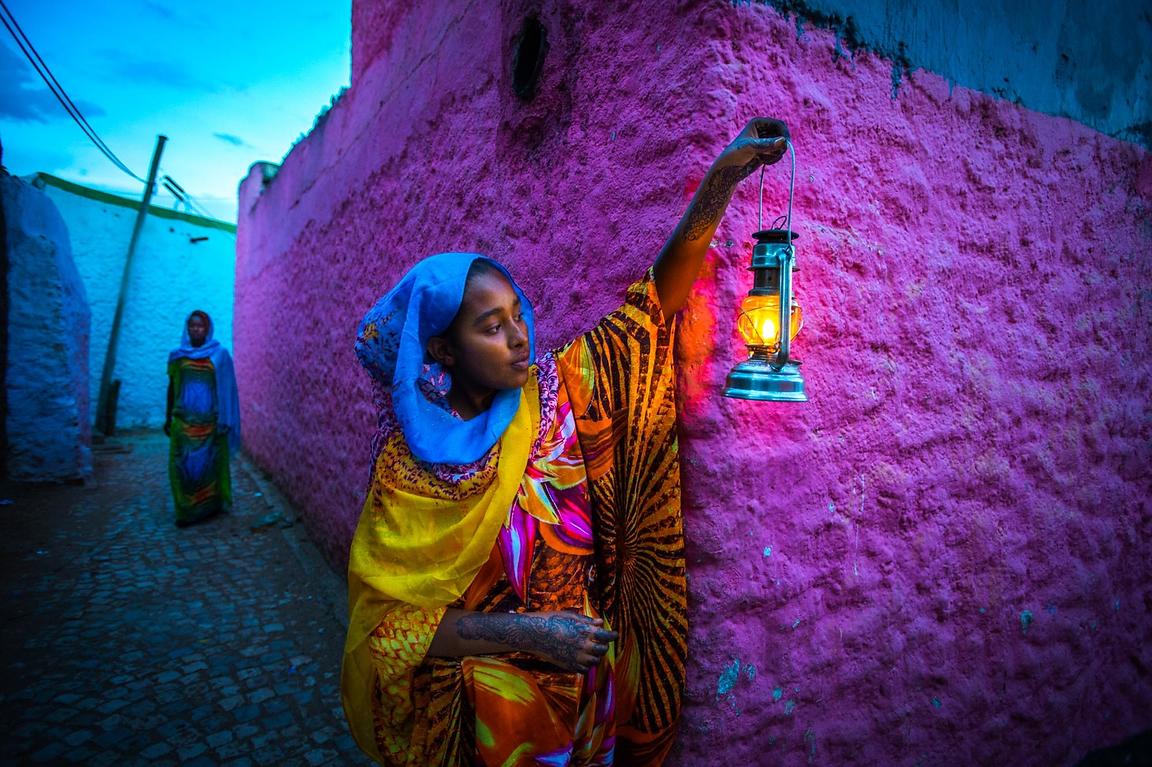
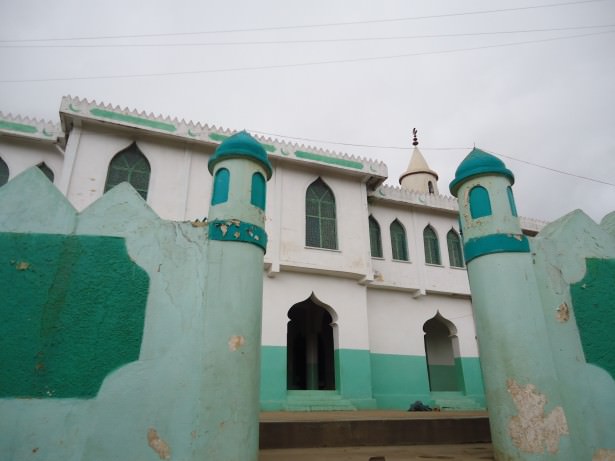
Visit the ancient UNESCO World Heritage Islamic city of Harar, known for its cultural heritage, on this tour from Addis Ababa, which includes all transportation, entry fees, and two nights of hotel accommodation with breakfast. You'll visit traditional houses and Islamic museums, and get the chance to see local "hyena men" feed wild hyenas.
Afar Danakil Depression
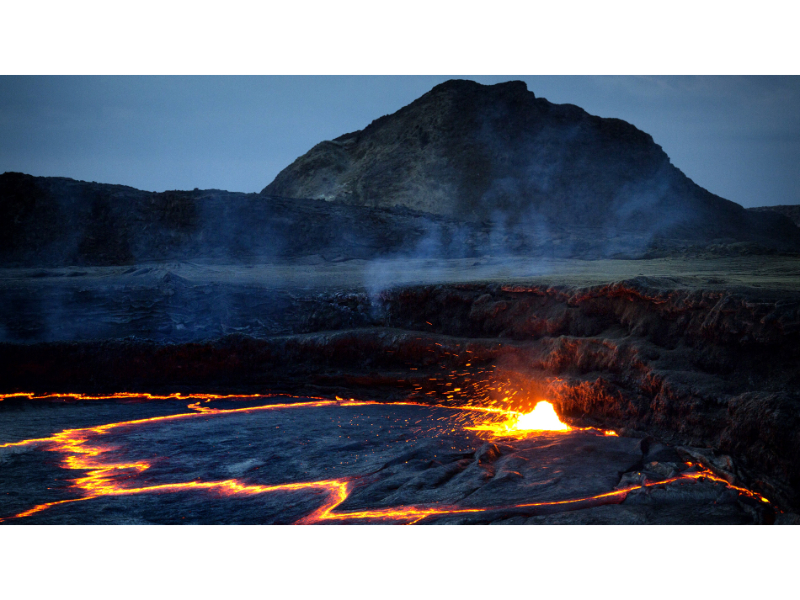
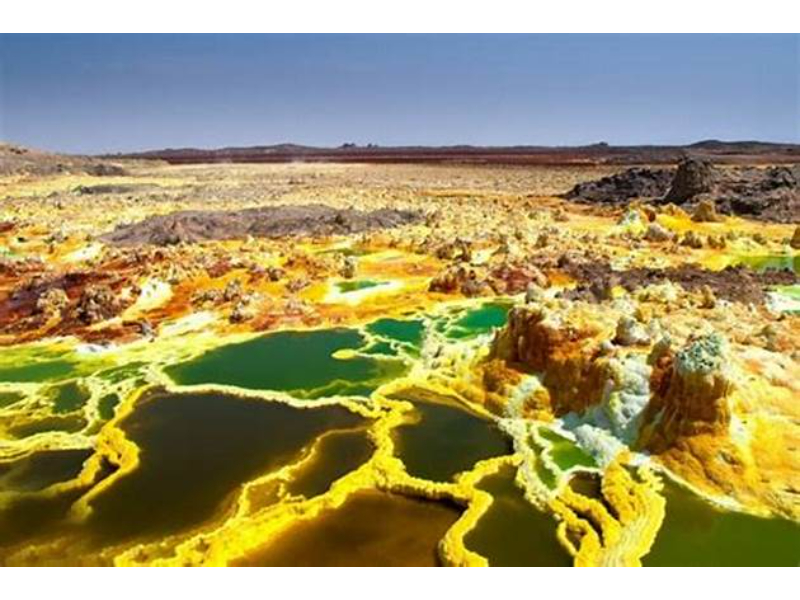
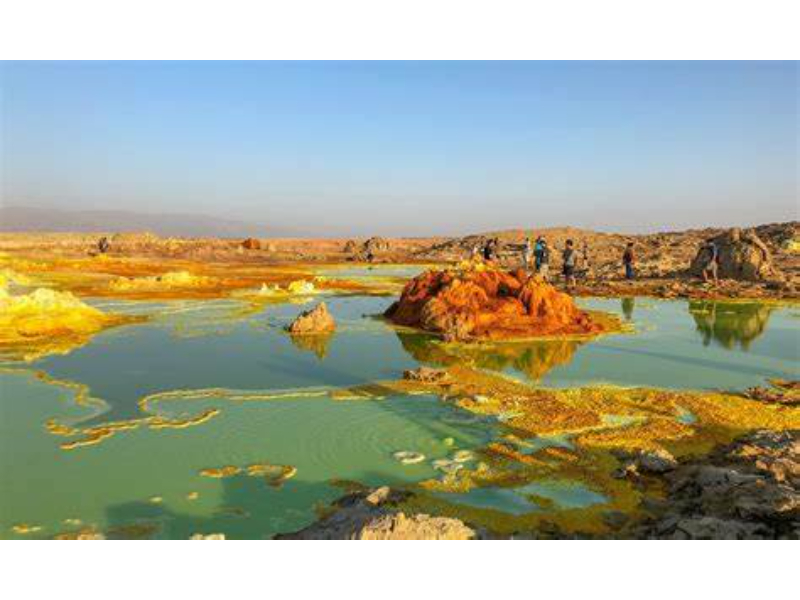
Danakil Valley (Danakil Depression) is one of the least known regions in Ethiopia. It is a part of the Great Rift Valley, to which it owes its exceptional geological shaping. It is still difficult to access, with no tourist infrastructure, but provides impressions that can make every effort to reach it worthwhile. Dallol (116 meters under sea level) is a part of Danakil. This place is considered as the lowest located place in Africa, and at the same time, one of the hottest places on the planet with average temperatures amounting to 35 degrees Celsius.
Visit one of the most impressive natural wonders in Ethiopia--the Danakil Depression--without having to sort out Islamic Accommodations, halal food, or even transportation. This all-inclusive tour will take you out to the volcanic mass, where you'll take in a scene of otherworldly lava. You'll also get to visit a few other key areas, including the emeraldine Giulietti Lake, before returning to Addis.

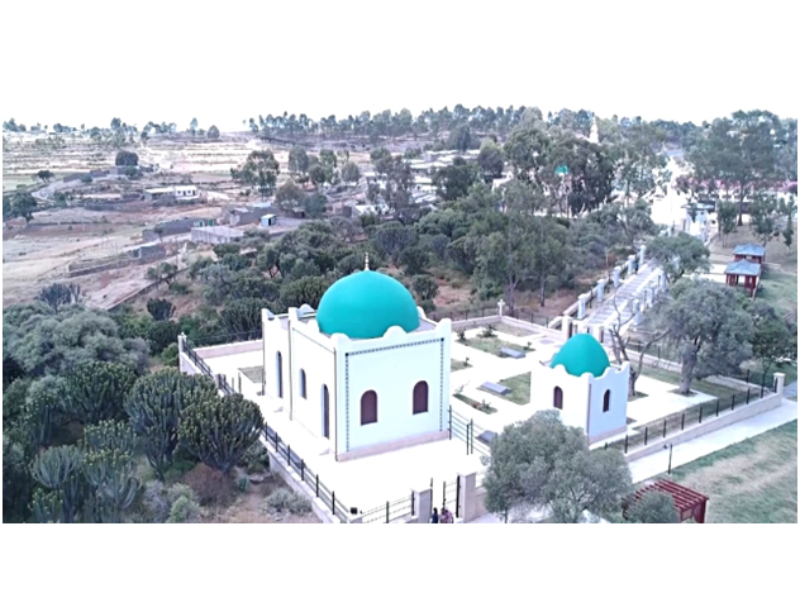
Al-Nejashi (Nejash)
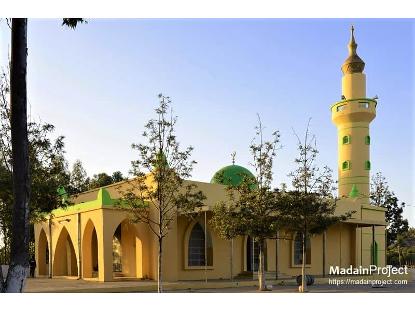
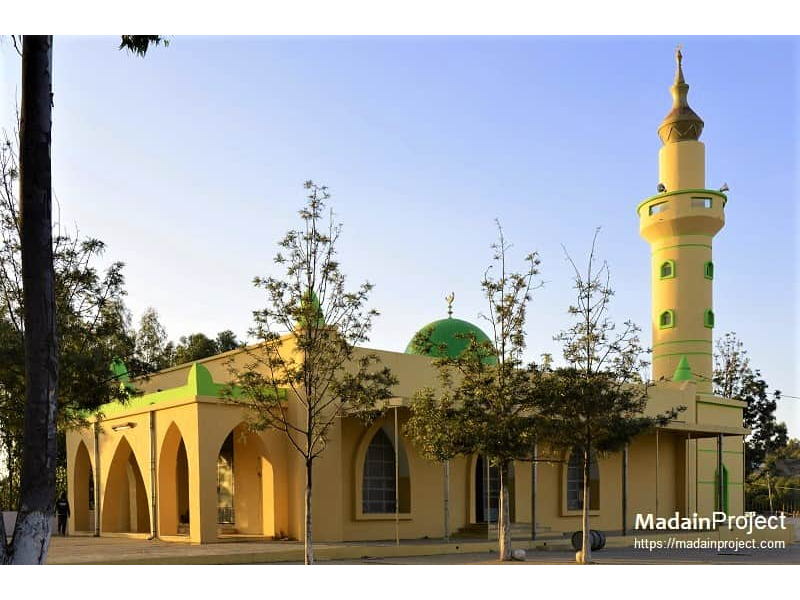
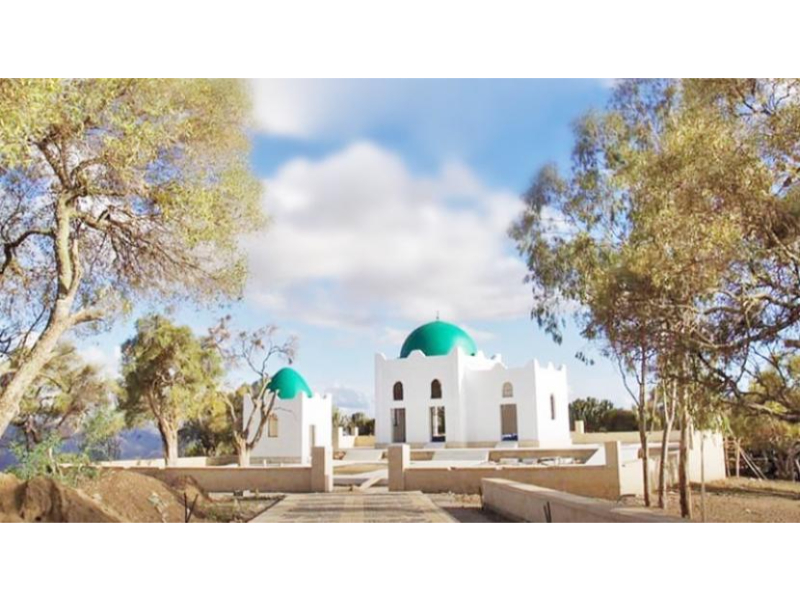
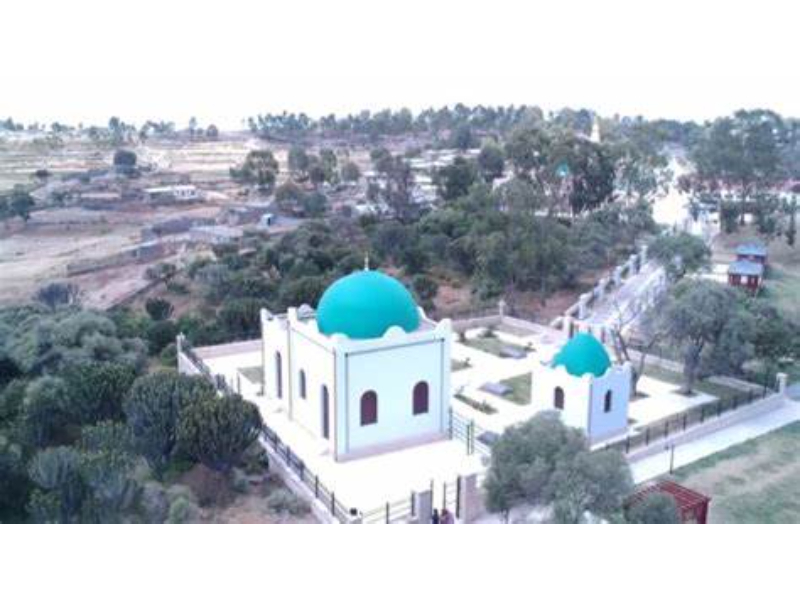
Negashi is about 10 kms away from the town of Wukro, in Tigray region that lies on the plateau with a magnificent over head view of the surrounding area. “Negashi” got its name from a Tigrayian word “Negash” or “Negus” which is used as a variant word for Arab.
The history of Negashi Mosque dates back to the 7th century AD, the faith Islam itself faced suffering in its early stages after the followers of Prophet Mohammed faced persecution by Quer’shi tribe of the Mercantile ruler of Mecca.
So, in order to maintain the very survival of the religion itself, the prophet had to find a sanctuary for his people and he sent 83 of his families to a land he quoted by saying, “go to the lands beyond the desert, where there is a kingdom where no one is wronged, a land of righteousness go there and remain until my calling.
Ethiopia Coffee Tour
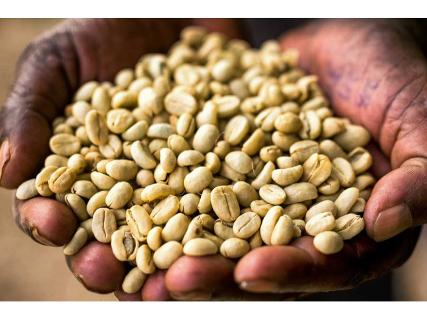
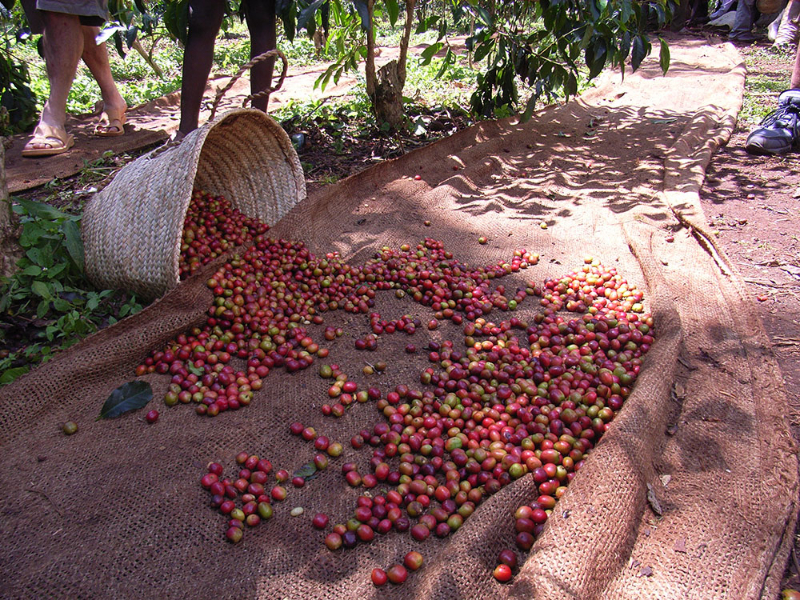
Ethiopia is where the Coffea arabica plant, the source of coffee beans, originates. Legend has it that a 9th-century goat herder named Kaldi in the region of Kaffa discovered coffee after noticing its energizing effect on his flock. However, this story didn’t appear in writing until 1671. Ethiopia is the world’s fifth-largest coffee producer and Africa’s top producer. In 2022, it produced 496,200 tonnes of coffee. Over 4 million small-scale farmers contribute to this production.
Half of the coffee produced in Ethiopia is consumed domestically, making it a significant part of the country’s culture and economy1.


Destinations
Axum
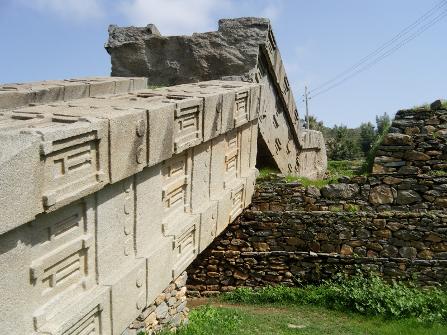
Axum, located in the Tigray Region of Ethiopia, is a captivating destination for history enthusiasts and cultural explorers. Its attractions include the Ruins of Aksum, which house impressive tombs and stelae from the ancient Kingdom of Aksum. Additionally, the Church of Our Lady Mary of Zion is rumored to hold the biblical Ark of the Covenant. Scenic hikes, nearby rock-hewn churches, and panoramic views of the countryside make Axum a must-visit
Gondar
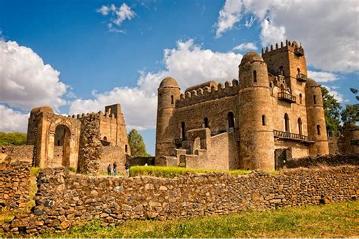
Gondar, often referred to as the “Camelot of Africa,” is a captivating Ethiopian destination. As the former royal capital, it boasts a remarkable collection of castles, palaces, and churches that reflect the glory of the Gondarine dynasty. Key attractions include:
Fasil Ghebbi: A UNESCO World Heritage Site with six majestic stone castles within a walled enclosure. Debre Berhan Selassie Church: Known for its exquisite paintings and carvings, it’s one of Ethiopia’s most beautiful churches. Whether you’re exploring historical sites or admiring scenic beauty, Gondar offers a rich and diverse heritage for travelers.
Bahirdar
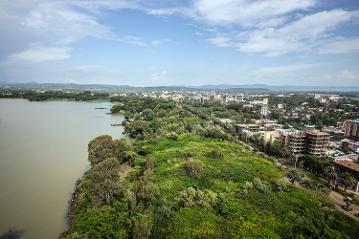
Bahir Dar, the capital city of the Amhara Region in Ethiopia, is a picturesque lakeside town. Here’s what makes it a must-visit:
Lake Tana: The largest lake in Ethiopia, Lake Tana is dotted with historic monasteries. Explore their ancient murals and relics of Ethiopian Christianity1.
Blue Nile Falls: Known as the “Smoking Water,” these falls create a misty rainbow as the Blue Nile River plunges into a gorge1.
Wide Avenues and Colorful Flowers: Bahir Dar’s streets are lined with palm trees and vibrant blooms, creating a charming atmosphere2.
Whether you’re admiring the views or delving into history, Bahir Dar promises an unforgettable experience.
Addis Ababa
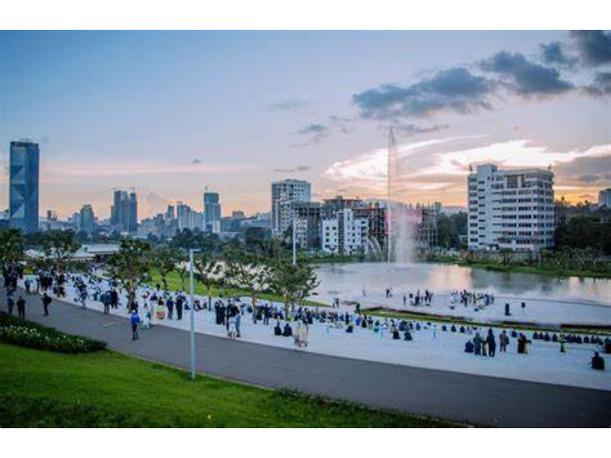
Addis Ababa, the vibrant capital of Ethiopia, offers a mix of historical and modern attractions for tourists. Highlights include the National Museum of Ethiopia, housing the famous Lucy skeleton—one of the oldest and most complete hominid fossils ever discovered. Additionally, the recently inaugurated Adwa Victory Memorial Museum in Piassa commemorates Ethiopia’s historic defeat of Italian colonialists in 1896. With its blend of culture, history, and development, Addis Ababa is an intriguing destination for travelers!
Parks
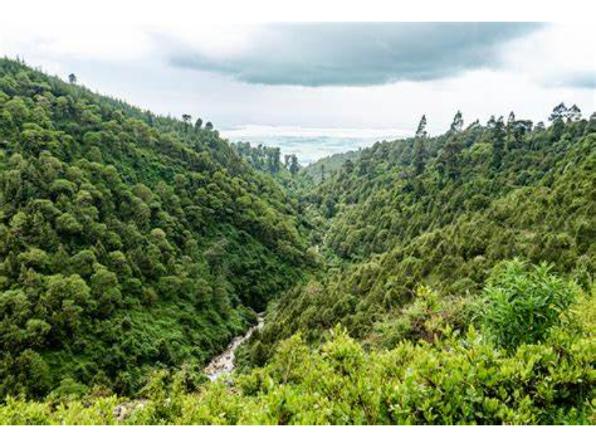
Ethiopia’s national parks offer diverse landscapes, abundant wildlife, and unique experiences for nature enthusiasts. From the rugged Simien Mountains in the north to the grasslands of Yangudi Rassa along the Awash riverside, each park has its own charm. Trek through the Simien Mountains to spot Gelada baboons, immerse yourself in the jungle of Chebera Churchura, or witness wildlife in the Bale Mountains. Whether you’re a hiker, a wildlife enthusiast, or simply seeking adventure, Ethiopia’s national parks won’t disappoint.
Bird Watching
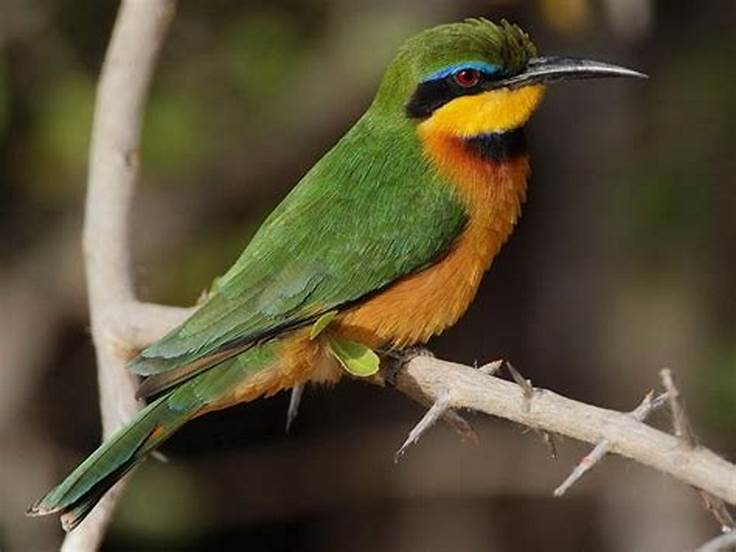
Ethiopia is a birdwatcher’s paradise, home to 860 bird species, including 18 national endemics. From the spectacular Prince Ruspoli’s Turaco to the melodious Abyssinian catbird, Ethiopia offers unique sightings. The Nechisar nightjar, considered the world’s rarest bird, was first observed here in 2009. Bale Mountains National Park is a top hotspot, hosting 310 bird species, including six national endemics. The Rift Valley lakes near Addis Ababa are renowned for flamingos, pelicans, and diverse aquatic birdlife. Whether you visit in September or March, Ethiopia’s avian wonders await!
Omo valley

The Omo Valley, often referred to as the Lower Omo Valley, is a unique and culturally rich region in southeastern Ethiopia. Home to over 20 different ethnic tribes, it offers an authentic and immersive experience. Visitors encounter ancient traditions, diverse indigenous communities, and preserved customs that have endured for centuries. While tourism is vital for supporting these communities, responsible travel is essential to avoid turning the experience into a “human zoo.” The Omo Valley’s landscapes, fortified settlements, and rock engravings dating back thousands of years make it a must-visit for those seeking a deeper understanding of humanity and Africa.
